



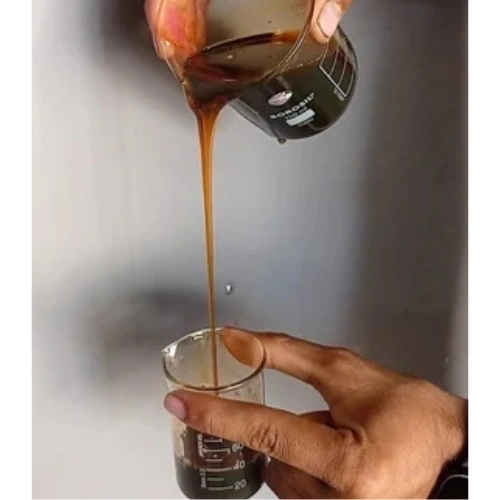
Description
Key Characteristics:
Types: Oils, greases, waxes, sprays, films, or emulsions.
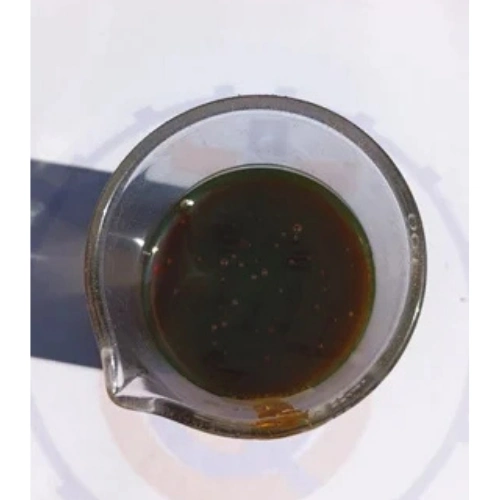
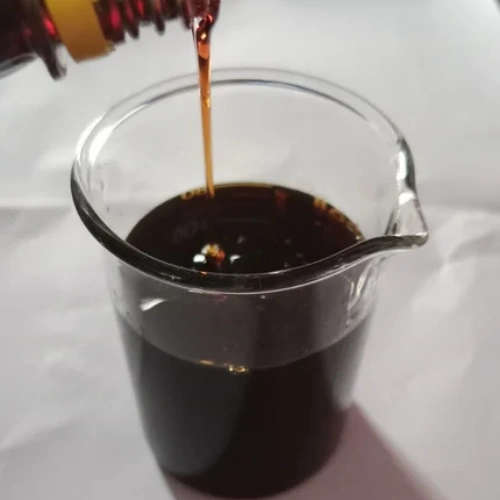
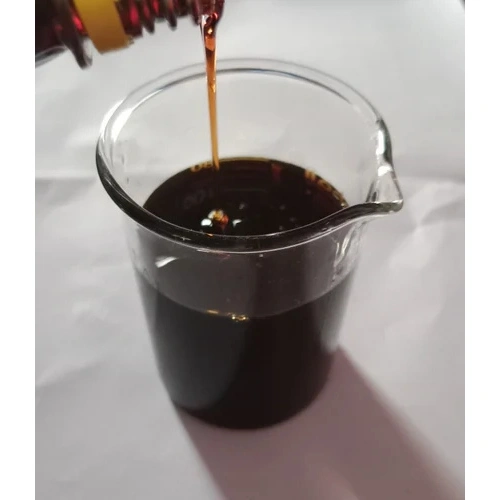
Appearance: Clear or colored liquids, pastes, or sprays.
Composition: Typically contain corrosion inhibitors, lubricants, solvents, and sometimes wax or polymer additives.
Surface Protection: Forms a thin, often oily or waxy, film that repels water and prevents oxidation.
Primary Functions & Benefits:
- Corrosion Protection: Inhibits formation of rust and corrosion on ferrous and non-ferrous metals.
- Long-Term Storage: Suitable for protecting parts and equipment during long storage or shipping.
- Easy Removal: Many rust preventives are designed for easy removal during cleaning or before painting/assembly.
- Lubrication: Some products provide light lubrication during storage or operation.
- Versatility: Used in automotive, industrial machinery, tools, pipelines, and metal sheets.
Common Types of Rust Preventives:
| Type | Description | Application |
|---|---|---|
| Oil-Based Rust Preventive | Light to heavy oils with corrosion inhibitors | Machinery parts, tools, engine parts |
| Grease-Based | Thicker, sticky rust inhibitors with lubrication | Bearings, gears, heavy machinery |
| Wax-Based | Hard protective films, excellent for outdoor protection | Sheet metals, pipes, automotive panels |
| Water-Based Emulsions | Environmentally friendly, easier cleanup | Temporary protection, indoor storage |
| Spray Coatings | Easy application, dries to protective film | General maintenance, fast coverage |
Additional Information:
- Production Capacity: 5 ton