



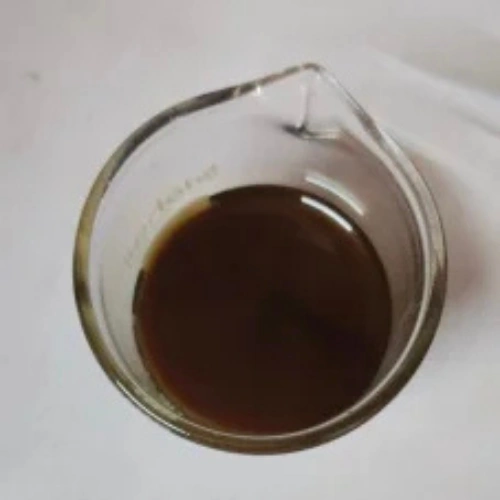


Description
Key Characteristics:
Form: Liquid concentrates or powders added in small quantities to fuel tanks or fuel storage systems.
Compatibility: Suitable for gasoline, diesel, biodiesel, or ethanol-blended fuels depending on formulation.
Purpose: Enhance fuel quality and engine performance by modifying combustion properties and protecting engine parts.
Primary Functions & Benefits:
- Deposit Control: Cleans and prevents carbon deposits in fuel injectors, intake valves, and combustion chambers to maintain engine power and efficiency.
- Corrosion Protection: Inhibits rust and corrosion inside fuel tanks and fuel system components.
- Cetane or Octane Boosting: Improves combustion quality by increasing cetane number in diesel or octane rating in gasoline.
- Fuel Stabilization: Prevents fuel degradation and oxidation during storage, extending shelf life.
- Water Demulsification: Helps separate and remove water from fuel, preventing microbial growth and corrosion.
- Lubricity Improvement: Enhances lubrication properties of diesel fuel, protecting fuel pumps and injectors.
Common Types of Fuel Additives:
| Type | Function | Application |
|---|---|---|
| Detergents | Remove and prevent deposits | Gasoline and diesel engines |
| Cetane Improvers | Increase combustion efficiency in diesel | Diesel engines |
| Octane Boosters | Enhance octane rating to prevent knocking | Gasoline engines |
| Corrosion Inhibitors | Protect fuel system from rust | All fuel types |
| Stabilizers | Prevent fuel oxidation and aging | Stored fuels |
| Anti-Gel Agents | Prevent fuel thickening in cold weather | Diesel fuels |